Table of Contents
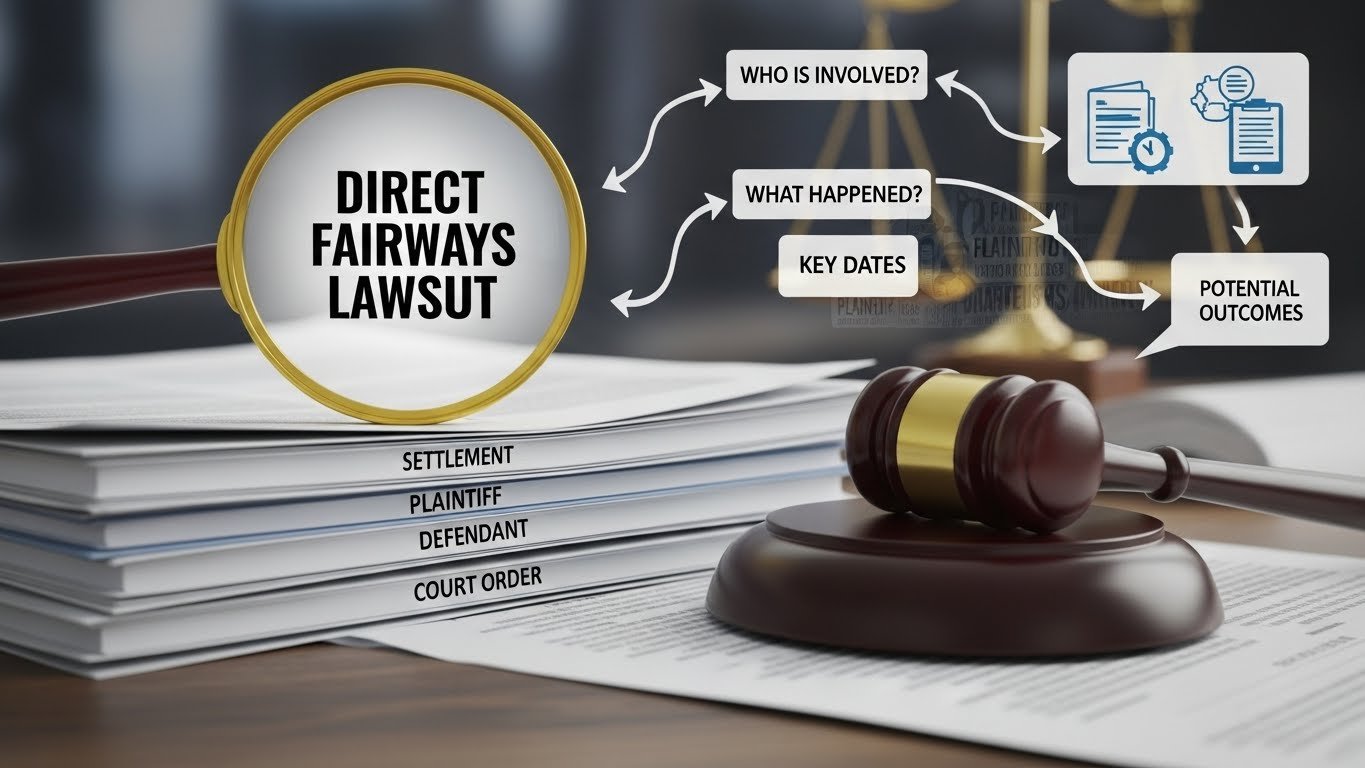
When the word “lawsuit” pops up in the news, it usually makes people curious. And if the company name involved is something you’ve heard before, it grabs even more attention. That’s exactly the case with the Direct Fairways lawsuit. Direct Fairways is a marketing and publishing company that works with golf courses, helping create promotional materials like scorecards, tee signs, and course guides. For many years, they’ve been known in the industry. But as with many businesses, not everything has gone smoothly. You may have seen online discussions, social media posts, or even client reviews that hint at legal issues. These led to a full-blown lawsuit—which we’ll break down in a way that’s clear, simple, and understandable for everyone. Whether you’re a golf fan, a small business owner, or just trying to make sense of what happened, this article will guide you through the background, the claims being made, who is involved, and what it means moving forward. Let’s get started and unpack the Direct Fairways lawsuit one piece at a time.
Who Is Direct Fairways?
Direct Fairways is a company that helps market golf courses across the United States. Their main service involves advertising for local businesses on printed materials like course maps, tee signs, and scorecards that golfers see and use. The idea is simple: golf courses save money, and local businesses get exposure. On the surface, it sounds like a win-win. Direct Fairways sends out salespeople nationwide who call or visit small businesses to sell these ad spaces. They’ve worked with many golf courses and promoted their services as a cost-effective way to get noticed. For a while, they had a good reputation in the golf marketing world. But over time, problems began to surface. Some businesses and golf course managers started reporting issues, which slowly built pressure that resulted in the current Direct Fairways lawsuit.
What Is the Direct Fairways Lawsuit About?
The Direct Fairways lawsuit involves a range of complaints mostly related to alleged business practices. According to reports and legal documents, several clients claimed that they paid for ad placements that were never delivered as promised. Customers said they agreed to promote their business on materials at golf courses but never saw the final signs, cards, or proof of publication. Others said they could not reach the company after payment or were denied refunds. These types of issues led to accusations that the company failed to fulfill contracts, acted in a misleading way, or made false promises during sales calls. In short, the lawsuit centers around concerns about how Direct Fairways marketed and executed their services, and whether the clients got what they paid for.
Who Filed the Direct Fairways Lawsuit?
In most civil cases, it’s individual plaintiffs or clients who feel wronged that file a lawsuit. In the case of the Direct Fairways lawsuit, multiple small business owners and advertisers appear to be involved, either individually or in a group filing. Some complaints have also surfaced on consumer protection websites and Better Business Bureau (BBB) reports, hinting at a growing list of unsatisfied customers. These individuals claimed they entered advertising agreements in good faith but didn’t receive the agreed-upon services. Specific names of plaintiffs are sometimes not published publicly to protect their privacy, but court records usually show collective legal action, especially when more than one person has experienced similar problems.
Claims Made in the Lawsuit
The Direct Fairways lawsuit includes claims such as breach of contract, misrepresentation, and unfair business practices. This means people who joined the lawsuit believe that Direct Fairways did not keep valid business promises or used sales techniques that they feel were dishonest. One common point of complaint is ads being sold to clients who believed their promotion would appear at certain golf courses—but those materials either never arrived or weren’t finished. Some also claimed delays, non-responsiveness from staff, or confusing contract terms. When a business signs a contract and pays up front, they expect the job to be delivered clearly and on time. These claims form the center of why the lawsuit was filed.
How Did the Lawsuit Start?
Most lawsuits don’t happen overnight. In the case of the Direct Fairways lawsuit, trouble had been brewing for a while. Clients began posting negative reviews online claiming they didn’t receive the services they paid for. Complaints also showed up in business review profiles, and some customers reached out to local authorities or legal advisors. After enough people shared similar experiences, legal action was taken. This lawsuit could be the result of one legal case that caught public attention, or several smaller legal actions building over time. Either way, court documents eventually named Direct Fairways as a defendant, and the legal process officially began.
Has Direct Fairways Responded?
Yes, in situations like the Direct Fairways lawsuit, companies almost always respond with a legal defense. Direct Fairways has reportedly denied many of the allegations, stating that they did deliver services or that client misunderstandings or communication issues were to blame. In some cases, companies will say the delays were normal or that materials were sent as agreed. It’s not unusual for a company to argue that mistakes do not equal fraud. Sometimes in legal battles, what seems simple becomes much more complex. So far, Direct Fairways continues to operate, and they may also be making efforts to improve how they handle clients and complaints.
Impact of the Lawsuit on Customers

The Direct Fairways lawsuit has made both past and future customers more cautious. Many business owners now do extra research before signing marketing contracts, especially with third-party sales reps. Some potential clients are asking for written promises, physical samples, or proof of past work before spending money. Others have chosen to work locally or skip third-party marketing entirely. For those who already paid for ad space and never got results, feelings of frustration and lost trust are common. At PaxTravelTweaks, we always encourage readers to ask questions, read contracts, and take their time before buying marketing services—especially from companies they just met.
How Can Business Owners Protect Themselves?
One big lesson from the Direct Fairways lawsuit is the need for small business awareness. If you’re a business owner, you need protection when entering contracts. Always read the fine print, and make sure you know what you’re signing. Ask questions like, “When will the ad go live?” or “Where can I see a sample of past work?” Avoid paying large amounts up front if you’re unsure of the company’s history. Email everything so you have a written record. Platforms like the Better Business Bureau, Trustpilot, and Google Reviews are good places to check a company’s history. Legal trouble can happen to any company, but smart buyers protect themselves with good research.
Are There Similar Lawsuits in the Industry?
Sadly, the Direct Fairways lawsuit isn’t the only case of its kind. There are other marketing firms that have faced legal actions for unclear contracts, missed delivery, or deceptive sales practices. Sometimes it’s not intentional fraud, but poor customer service, unclear systems, or mismanaged staff. This is why it’s important to always be informed. If you’re working with vendors in advertising or marketing, especially those that approach you, do your due diligence. An exciting offer doesn’t always mean a good one. Learn from others and avoid the same trap. Legal claims like these teach us that knowing who you’re doing business with is more important than getting a fast deal.
Where Is the Lawsuit Now?
Depending on the court schedule, the Direct Fairways lawsuit could still be active, under settlement talks, or partially resolved. Legal cases can take months or even years before reaching a final decision. In some cases, companies settle with clients to avoid more damage to their brand. When those settlements happen, they are sometimes private, meaning the terms aren’t shared publicly. In other cases, if a judge finds the company did break the law, fines or penalties can follow. If the company is cleared of wrongdoing, the business continues with changes to how they handle sales or communication. It’s important to watch trusted news or legal sources for the latest updates on the case.
What Can We Learn from the Direct Fairways Lawsuit?
The biggest lesson from the Direct Fairways lawsuit is about trust, transparency, and making smart business choices. Whether you’re someone selling advertising or someone buying it, honesty matters. Asking the right questions, tracking your agreement, and protecting your investment are all steps that can keep problems away. If you’re a company, this case reminds you why it’s important to deliver what you promise and respond when customers reach out. These legal cases aren’t just warnings—they’re reminders to raise industry standards so businesses and customers both win.
FAQs
What is the Direct Fairways lawsuit about?
It’s about customers claiming the company didn’t deliver marketing services they paid for, like ads or materials.
Is Direct Fairways still in business?
Yes, as of now, they are still operating, though their reputation has been affected by the legal concerns.
Did customers get refunds in the lawsuit?
That depends on the case. Some lawsuits end in settlements where clients may receive partial compensation.
Is Direct Fairways a scam?
Not officially, but many ex-clients allege poor service or failure to deliver as promised. Do your research first.
How can I avoid shady marketing deals?
Always research a company, read contracts fully, ask for examples, and avoid paying large amounts up front.
What happens if Direct Fairways loses the lawsuit?
If they’re found at fault, they may have to pay damages or change how they run their business.
Final Thoughts
The Direct Fairways lawsuit is more than a headline—it’s a wake-up call for both businesses and customers. It shows how trust can be broken if communication and delivery don’t happen correctly. For companies, it’s a chance to improve how they serve clients. For small business owners, it’s a reminder to protect their resources with research, reviews, and caution. In today’s digital world, knowledge is your first defense. Before signing that contract or handing over your money, stop and ask: “Do I fully trust this?” By learning from real cases like this one, we all become smarter and safer in business.