Table of Contents
Bringing home a tiny newborn kitten is a joyful moment, but caring for fragile babies also comes with stress and fear. One of the scariest challenges kitten caregivers can face is fading kitten syndrome. This condition can come on suddenly and often leaves people feeling confused and helpless. If you’ve never heard of it before, or have, but didn’t know what to do, this article will help. Fading kitten syndrome is serious, but there are signs to watch for and steps you can take, sometimes even life-saving ones. Awareness is key. By understanding what causes fading kitten syndrome, how to react, and how to prevent it, you might just save a precious life. This guide is built to be simple, helpful, and full of info that any cat lover—beginner or pro—can use. Let’s learn about fading kitten syndrome and how to give these tiny babies their best shot at a healthy start in life.
What Is Fading Kitten Syndrome?
Fading kitten syndrome refers to when newborn kittens begin to decline and show signs of severe weakness or failure to thrive. The condition is not a disease itself. It’s a term used to describe a group of symptoms that signal something is going very wrong in a kitten’s body. These kittens are often fine one moment and suddenly lifeless the next. Symptoms may appear over hours or days. If left untreated, fading kitten syndrome is often fatal. That’s why spotting early warning signs is so important. With quick action, recovery is possible in some cases.
At What Age Are Kittens Most at Risk?
Kittens are most at risk for fading kitten syndrome between birth and 5 weeks old. The first two weeks are especially critical. During this time, they’re still developing their organs, immune systems, and thermal regulation. They rely completely on their mother or their human caregivers for warmth, food, stimulation, and protection. If anything goes wrong—like missing feedings, drops in body temperature, infection, or birth complications—a kitten can begin to fade fast. Kittens under 100 grams or those born prematurely are also at much higher risk.
What Are the Signs of Fading Kitten Syndrome?
Recognizing the signs of fading kitten syndrome can make all the difference. Some key symptoms to watch for include extreme tiredness, weak or absent suckling, low body temperature (cold to the touch), pale or gray gums, low body weight, crying without stopping, and trouble breathing. They may not respond when touched. A healthy kitten should feel warm, squirmy, and resist being handled. If a kitten is limp, quiet, unresponsive, and can’t nurse, that’s an emergency. Immediate care is crucial—waiting may be too late.
Common Causes of Fading Kitten Syndrome
There’s no single cause of fading kitten syndrome, which is why it can be so hard to treat. Some common causes include poor nutrition, dehydration, hypothermia (low body temperature), infection, parasites, congenital problems (birth defects), and trauma. Even stress from being separated from the mother or being handled too soon can play a role. Some kittens aren’t strong enough to compete with siblings for food or warmth. Others may seem okay but hide an issue that shows up days later. Knowing these possible causes helps caregivers prevent problems before they happen.
How to Treat a Fading Kitten in an Emergency
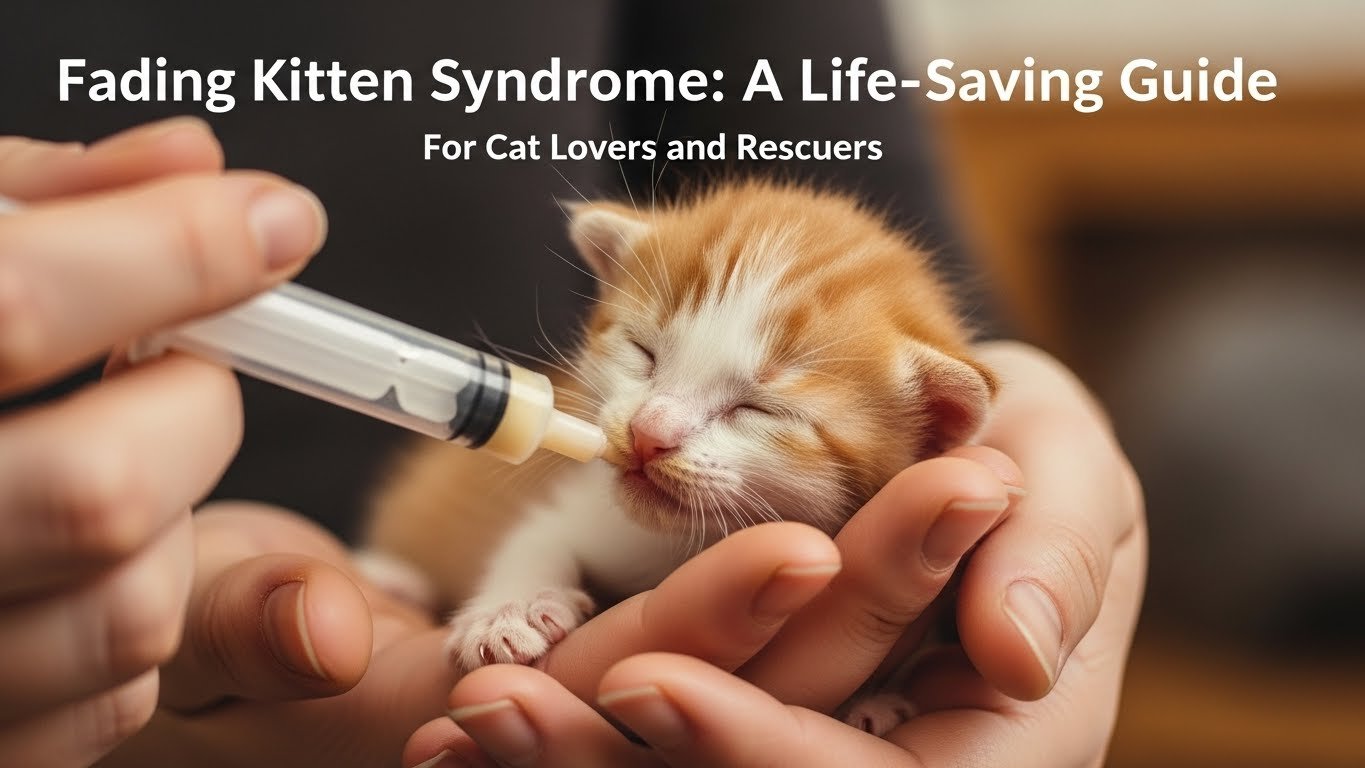
If a kitten shows signs of fading kitten syndrome, quick action is urgent. First, make sure the kitten is warm. Wrap it in a towel, place it against your body, or use a heating pad on low (never place a kitten directly on a heating pad). A cold kitten won’t digest food, so always warm it first. Once warm, try offering a small amount of kitten formula using a syringe or dropper. Don’t force-feed—go slow. You can also rub a tiny bit of honey or sugar water on the kitten’s gums to give a fast energy boost. This can sometimes revive a kitten within minutes. At the same time, contact a vet for guidance or head to an emergency animal clinic.
When to Call a Veterinarian
While basic steps can help in the early stages, it’s always best to call a vet when dealing with fading kitten syndrome. A professional can check for deeper problems—like infections, heart defects, or digestive issues—that need more than home care. Vets may provide subcutaneous fluids (under the skin), antibiotics, warmth via incubators, or tube feeding if needed. Even if a kitten appears to improve at home, continued vet care is key. Catching a problem early, working with a vet, and following through on care makes a real difference in survival chances.
Can Fading Kitten Syndrome Be Prevented?

Yes, you can lower the chance of fading kitten syndrome with good care. Prevention starts before birth. For example, make sure the mother cat is healthy during pregnancy. After birth, keep kittens warm—ideally, 85 to 90°F in the first week. Bottle-feed kittens every 2–3 hours, burp them after feeding, and gently rub their bottoms to help them potty. Watch body temperatures, weights, and mood. Using a kitchen scale to weigh each kitten daily can catch signs of trouble early. Any sudden weight loss in a tiny kitten is a red flag. A safe, warm, clean, and calm environment is key to preventing fading.
Caring for Orphaned Kittens and High-Risk Litters
Orphaned kittens and weaker littermates are at higher risk for fading kitten syndrome. These babies need round-the-clock care. You’ll need to provide warmth with heating pads or rice socks. Feeding should happen every 2 hours (even overnight). Special kitten milk replacer—not cow’s milk—should be used. You’ll also need to help them go to the bathroom after feeding by gently rubbing a cotton ball or tissue on their bottom. Keeping track of feeding times, weights, and temperatures on a chart is helpful. Kittens under 100 grams or those steadily losing weight should be treated as urgent.
Grieving and Coping When a Kitten Can’t Be Saved
Sometimes, even with all the love and care, a kitten with fading kitten syndrome doesn’t survive. Loss is heartbreaking, especially after spending hours feeding and caring for that tiny life. It’s okay to feel sadness, guilt, and even anger. But it’s important to know that even experienced vets and rescuers lose kittens to this condition. Fading kitten syndrome can move faster than we expect, and many causes are impossible to spot or treat in time. What matters is that you tried, and that the kitten felt love, warmth, and comfort. Allow yourself time to grieve—and talk to friends, family, or support groups online if you need help.
Success Stories That Offer Hope
Not all stories about fading kitten syndrome end in loss. Many kittens beat the odds and grow into healthy cats thanks to early care and quick action. Stories shared by rescuers and caregivers describe kittens who were cold, motionless, and days old—but survived after being warmed, fed, and placed under 24/7 care. Some had to be tube-fed, treated for worms, or placed in oxygen—but they made it. These stories can inspire and teach us. They remind us that every effort matters, and that with the right care and awareness, life can win.
FAQs
1. What is fading kitten syndrome?
Fading kitten syndrome is a group of signs that show a newborn kitten is declining in health and may die without help.
2. What causes fading kitten syndrome?
It can be caused by infection, low body temperature, birth defects, parasites, poor feeding, or stress.
3. How can I prevent fading kitten syndrome?
Warmth, regular feedings, and watching weight daily can help prevent kittens from fading. Good early care matters.
4. What should I do if a kitten is fading?
Warm the kitten, offer honey or formula, and contact your vet right away. Fast action is key to survival.
5. How do I know if a kitten is fading?
Signs include cold body temperature, limpness, nonstop crying, no interest in eating, and pale gums.
6. Can fading kitten syndrome be cured?
Sometimes yes, if caught early. Many kittens recover with warmth, food, and vet care. Others may not survive despite efforts.
Final Thoughts
Fading kitten syndrome is scary, heartbreaking, and sometimes sudden. But with knowledge, fast action, and loving care, you can give these vulnerable kittens a much better chance. Whether you’re a foster, a cat parent, or just someone who wants to be prepared, your awareness can save lives. Learn the signs. Keep supplies ready. Share this knowledge with others. Every kitten matters, and every effort counts. And if heartache comes, know you’re not alone. Many caregivers have walked the same road. Together, with love and learning, we can help tiny lives grow strong, happy, and full of purrs.