Table of Contents
Flying can be exciting, especially when you’re traveling long distances on modern airplanes. But sometimes, even the best plans have to change. That’s what happened recently during an Air France A350 Chicago flight return. A flight that was supposed to go smoothly between Paris and Chicago had to turn around and head back. Many passengers were left wondering why this happened, if it was safe, and what it means for future flights. If you’ve ever been on a plane that had to return to its origin, or if you’re just curious about how airlines handle unexpected situations, this article is for you. We’ll explain everything about the flight, the aircraft, the possible reasons for the return, and what Air France did next. You’ll get helpful, clear answers with all the facts, written in a friendly way that’s easy to understand.
What Is the Air France A350?
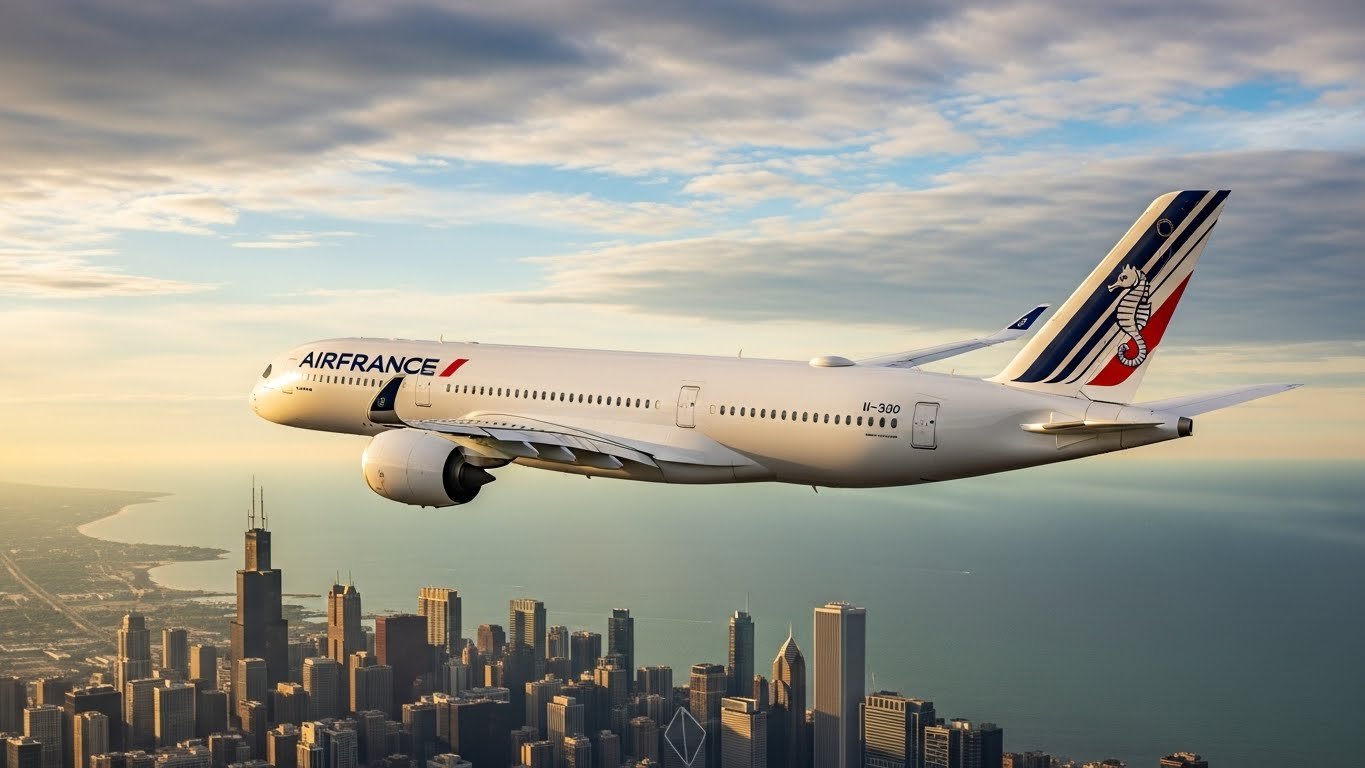
Air France is one of the biggest airlines in Europe, and the Air France A350 is one of its newest, most advanced planes. It’s part of the Airbus A350 family, known for being modern, fuel-efficient, and comfortable. The plane has strong engines, new technology, and quiet cabins. Passengers often like it because of its large windows, better air pressure, and smooth ride. Air France uses the A350 for long-haul international routes like Paris to Chicago. The A350 usually carries around 300 to 350 people and can fly very long distances without stopping. That’s why it’s a great choice for crossing the Atlantic Ocean.
Route Profile: Paris to Chicago
The route from Paris Charles de Gaulle Airport (CDG) to Chicago O’Hare International Airport (ORD) is a busy and important one. Air France flies this route regularly to connect Europe and the United States. The flight usually takes about 8 to 9 hours, depending on the weather. During this time, the aircraft flies over the Atlantic Ocean, parts of Canada, and then heads into the U.S. airspace. With a big modern jet like the A350, it’s usually a peaceful flight. That’s why the news of an Air France A350 Chicago flight return got so much attention—it doesn’t happen often.
What Caused the Air France A350 to Return?
When there’s a flight return, it means something unexpected happened. For this Air France A350 Chicago flight return, the cause wasn’t announced right away. But in most cases, returns like this happen because of technical issues, onboard emergencies, or safety reasons. For example, the plane might show a warning light, or something may not feel right to the pilots. In rare cases, it could be related to a health issue with a passenger or crew. Safety always comes first. If the pilots think it’s safer to go back rather than continue, they make that call. It may delay the trip, but it ensures everyone stays safe.
How Do Pilots Decide to Turn Back?
Pilots have a lot to think about when flying a long trip. They are trained to notice small changes and make smart decisions fast. If they get a warning message or feel something isn’t right, they work with air traffic control and the airline to make a plan. For this Air France A350 Chicago flight return, the pilots probably spotted a concern early in the flight. Since crossing the Atlantic means fewer places to land, it’s sometimes safer to head back while still over Europe. Once the decision is made, the pilots tell the cabin crew, who then inform passengers calmly. Most people understand that safety is always the top priority.
What Happens on the Plane After the Return Decision?

On an Air France A350 Chicago flight return, once pilots choose to turn around, the flight follows all safety steps. The flight crew may offer updates to passengers and let them know what’s going on. Meals might be paused, and the seatbelt sign stays on. As the aircraft goes back to Paris, the goal is to land safely and smoothly. Once on the ground, technical staff are ready to inspect the plane. If the problem can be fixed quickly, the flight may continue. If not, passengers could be moved to a new plane or rebooked. In any case, crew members do their best to keep travelers comfortable and informed.
Reactions From Passengers on the Returned Flight
Many passengers understand that flight returns like this happen sometimes. Still, it can be stressful. People on the Air France A350 Chicago flight return shared their thoughts online, some feeling confused, others thankful for the pilot’s quick action. For travelers with connecting flights or big plans, delays can be frustrating. But most agree that it’s better to return and stay safe than take risks. Some reports said passengers were given help by Air France staff, including food, hotel stays, or new flight bookings. Travelers appreciated clear updates and calm directions during the airport wait.
How Air France Handles Unexpected Returns
When something like the Air France A350 Chicago flight return happens, the airline follows a set plan. Air France has teams that handle customer care, technical checks, and rebooking. If the problem is mechanical, trained technicians look at the aircraft carefully. If the issue is with a passenger, proper medical help is called. The airline tries to give all passengers updates quickly through airport staff, gate announcements, or booking apps. Some travelers may get meal vouchers, hotel coupons, or help to book future flights. Air France’s customer care team also answers questions and offers assistance online or by phone.
Is the A350 Still a Safe Aircraft?
Yes, even after the Air France A350 Chicago flight return, the Airbus A350 remains one of the safest commercial airplanes flying today. It’s used by many top airlines because of its modern systems and strong safety record. Flight returns are rare, and when they happen, it’s usually because the aircraft is doing exactly what it’s supposed to—alerting the crew before something becomes a bigger issue. Modern jets like the A350 are full of sensors and digital systems that check everything in real time. These systems help keep pilots aware and give warning signs early, which improves the overall safety.
Has Air France Had Similar Incidents Before?
Like all airlines, Air France has had flight returns or delays before. It’s part of running thousands of flights each year. Most of the time, the reasons are minor—just extra safety checks or faulty readings. The Air France A350 Chicago flight return isn’t a sign of major problems at the airline or with the airplane itself. Air France has a good track record for safety and service. Over the years, the airline has dealt with weather issues, technical glitches, and airspace changes. But in every case, their first job is always to keep passengers safe and informed.
What Can Passengers Learn From This Experience?
When events like the Air France A350 Chicago flight return happen, it reminds us that safety is more important than speed. Travelers should always bring essential items—like medications, chargers, and snacks—in their carry-on luggage. That way, if there’s a delay or unexpected return, you’re prepared. It’s also smart to have apps from your airline to get real-time flight updates. Reading the airline’s travel policies in advance helps too. Most importantly, stay calm during flight changes. Airplanes and flight crews are trained for these moments. Just remember: getting there safely is always better than not getting there at all.
How to Handle Rebooking If Your Flight Returns
If you’re on a flight like the Air France A350 Chicago flight return, there’s a chance your travel plans will change. When this happens, head to the airline’s customer service desk. They will help rebook your flight or provide support. If you booked through a travel agent or a third-party site, you may need to call them too. Some travelers may qualify for compensation, depending on the delay and location laws. You can also ask if meals or hotel stays are covered. Air France usually tries to provide fair help, especially for long delays due to technical returns.
How Social Media Captured the Flight Story
When the Air France A350 Chicago flight return happened, people posted updates online as it was unfolding. Passengers shared pictures, flight trackers showed the U-turn mid-air, and airline experts started guessing what went wrong. Social media allowed aviation fans, news reporters, and travelers to follow along in real-time. While not everything shared is always accurate, it helps bring attention to airline events quickly. Videos and stories from people on the flight gave others some peace of mind—it showed the crew stayed professional and helped everyone safely. These firsthand clips often give updates before official news sources do.
FAQs
Q1: Why did the Air France A350 return to Paris on its way to Chicago?
The flight returned due to an unknown issue, possibly technical or precautionary. The exact reason hasn’t been confirmed.
Q2: Was anyone hurt on the flight?
No injuries were reported. The return was a safety decision made by the flight crew.
Q3: Will passengers get refunds or compensation?
It depends on airline policies and flight delay times. Some passengers may get rebooked or offered vouchers.
Q4: Are Airbus A350 aircraft safe?
Yes. The A350 is considered one of the safest and most modern long-range aircraft flying today.
Q5: How long into the flight did the return happen?
The flight turned around just a few hours after takeoff, likely still over the Atlantic or near Europe.
Q6: How can travelers stay updated during such events?
Use the airline’s app, check the airport’s flight boards, and follow official updates on social media or airline messages.
Conclusion
The Air France A350 Chicago flight return was unexpected, but it showed just how important safety is in aviation. Flying can be exciting, but things don’t always go perfectly. Still, with alert pilots, modern aircraft like the Airbus A350, and trained ground teams, travelers are in good hands. It’s better to delay a flight or change course than take unnecessary risks. Air France handled the return with care, showing how calm communication and good service make a big difference for passengers. For people who travel often, this event is a reminder to stay prepared, stay calm, and trust the process. After all, arriving safely—even after a detour—is always the best result.