Introduction
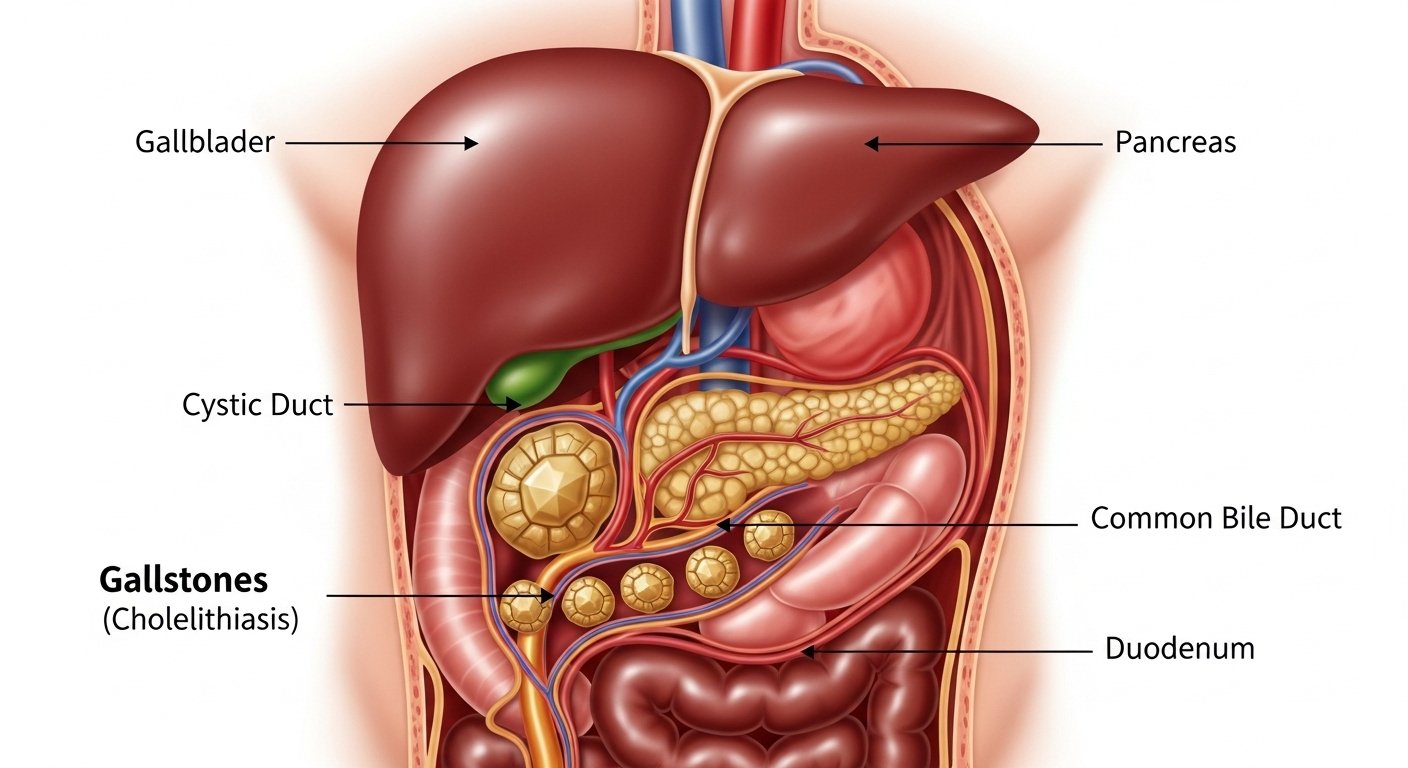
Have you ever heard the word cholerhiasis and felt confused? Don’t worry—you’re not alone! It sounds complicated, but it simply means gallstones. These are small, hard pieces that form inside your gallbladder. Your gallbladder is a tiny organ that sits under your liver. It stores a liquid called bile that helps you digest food. Sometimes, this bile hardens into stones. That’s cholerhiasis. It’s actually very common. Millions of people around the world deal with gallstones every year. Some people never even know they have them. Others feel serious pain and need medical help right away. In this article, we’ll break everything down in a simple, friendly way. You’ll learn what causes gallstones, who gets them, what the symptoms feel like, and how doctors treat them. We’ll also share tips on how to lower your risk. Whether you’re researching for yourself or someone you love, this guide will give you clear and helpful answers. Let’s get started!
What Exactly Is cholerhiasis?
cholerhiasis is the medical term for gallstones. These are solid deposits that form in the gallbladder. They can be as tiny as a grain of sand or as big as a golf ball. Some people develop just one stone. Others may have many at the same time. Gallstones form when substances in bile become unbalanced. Too much cholesterol or bilirubin can cause crystals to grow. Over time, these crystals harden into stones. Your gallbladder is supposed to squeeze bile into your intestines during digestion. But when stones block the way, problems start. Not all gallstones cause trouble. Many people live with them and never feel a thing. These are called “silent” gallstones. But when a stone gets stuck in a bile duct, it can cause sharp pain, nausea, and even infection. Understanding cholerhiasis is important because it helps you recognize symptoms early and get the right treatment before things get worse.
Types of Gallstones You Should Know About
Not all gallstones are the same. There are actually different types, and knowing which kind you have can help doctors choose the best treatment. Here are the main types:
- Cholesterol gallstones – These are the most common type. They’re usually yellow-green and made mostly of hardened cholesterol. About 80% of gallstones fall into this category.
- Pigment gallstones – These are smaller and darker. They form when there’s too much bilirubin in your bile. Bilirubin is a chemical your body makes when it breaks down red blood cells.
- Mixed gallstones – These contain both cholesterol and bilirubin. They can vary in size and color.
Each type of stone forms for slightly different reasons. But the result is the same—they can block bile flow and cause pain. When doctors diagnose cholerhiasis, they often identify the type of stone to guide treatment decisions. It’s a small detail that makes a big difference.
What Causes cholerhiasis
So, why do gallstones form in the first place? There’s no single answer, but several factors play a role. Let’s look at the most common causes of cholerhiasis:
- Too much cholesterol in bile – When your liver sends out more cholesterol than bile can dissolve, the extra cholesterol may form into crystals and eventually stones.
- Too much bilirubin – Certain conditions like liver disease or blood disorders cause your body to produce excess bilirubin. This can lead to pigment stones.
- Gallbladder not emptying properly – If your gallbladder doesn’t squeeze out bile often or completely enough, bile becomes concentrated. That concentration can lead to stone formation.
- Diet and lifestyle – Eating too much fatty or processed food increases your risk. So does rapid weight loss or crash dieting.
- Genetics – If gallstones run in your family, your chances go up too.
Understanding the root causes helps you take steps to prevent cholerhiasis before it becomes a problem.
Who Is Most at Risk for Developing cholerhiasis?
While anyone can get gallstones, some people are more likely to develop them. Doctors often use the phrase “the 5 Fs” to describe common risk factors:
- Female – Women are twice as likely as men to get gallstones, partly due to hormones like estrogen.
- Forty – Risk increases after age 40.
- Fat – Being overweight raises your cholesterol levels and gallstone risk.
- Fertile – Pregnancy increases estrogen, which can slow gallbladder emptying.
- Family – A family history of gallstones makes you more vulnerable.
Other risk factors include:
- Diabetes
- Rapid weight loss
- Taking birth control pills or hormone therapy
- Eating a high-fat, low-fiber diet
- Being of Native American or Mexican American descent
Knowing these risk factors is powerful. If you fall into one or more categories, talk to your doctor about prevention strategies for cholerhiasis.
Common Symptoms of cholerhiasis
Many people with gallstones don’t feel any symptoms at all. These are called asymptomatic or silent gallstones. But when symptoms do show up, they can be very uncomfortable. Here’s what to look out for:
- Sudden, intense pain in the upper right part of your belly
- Pain between your shoulder blades or in your right shoulder
- Nausea or vomiting after eating a heavy or fatty meal
- Bloating or gas that won’t go away
- Indigestion that feels different from normal heartburn
- Yellowing of skin or eyes (jaundice) if a stone blocks the bile duct
The pain from cholerhiasis often comes in waves, called biliary colic. It may last from a few minutes to several hours. If the pain doesn’t go away or gets worse, seek medical help immediately. Early treatment prevents complications like infections, pancreatitis, or gallbladder rupture.
How Do Doctors Diagnose cholerhiasis?
If your doctor suspects gallstones, they’ll use a few tests to confirm. Diagnosis of cholerhiasis usually involves the following steps:
- Physical exam – Your doctor will press on your belly and ask about your symptoms. They may check for tenderness in the upper right area.
- Ultrasound – This is the most common test. It uses sound waves to create pictures of your gallbladder. Stones show up clearly on ultrasound images.
- Blood tests – These check for signs of infection, jaundice, or pancreatitis. High bilirubin or liver enzyme levels may suggest a blocked bile duct.
- CT scan – Sometimes used for a more detailed view of the abdomen.
- HIDA scan – This special scan checks how well your gallbladder is working. A dye is injected, and a camera tracks how bile moves through your system.
- MRCP – A type of MRI that looks closely at the bile ducts.
Getting the right diagnosis is the first step toward proper treatment. Never ignore recurring belly pain—it could be cholerhiasis.
Treatment Options for cholerhiasis
The good news? There are several ways to treat gallstones. The right option depends on your symptoms, stone type, and overall health. Here are the most common treatments for cholerhiasis:
1. Watchful Waiting
If your gallstones aren’t causing symptoms, your doctor may suggest doing nothing. Silent stones often don’t need treatment. You’ll just need regular checkups.
2. Medications
Some drugs can slowly dissolve cholesterol gallstones. However, this can take months or even years. It’s not always effective and is usually only used when surgery isn’t an option.
3. Laparoscopic Cholecystectomy (Gallbladder Removal)
This is the most common treatment. Surgeons remove the gallbladder through tiny cuts in the belly. Recovery is usually quick—most people go home the same day.
4. Open Surgery
In rare or complicated cases, a larger incision may be needed. Recovery takes longer, but it’s still a safe procedure.
5. ERCP (Endoscopic Retrograde Cholangiopancreatography)
This procedure removes stones stuck in the bile duct using a thin tube and camera. It’s not surgery on the gallbladder itself but helps clear blockages.
Talk to your doctor to find the best path for your situation.
Can You Live Without a Gallbladder?
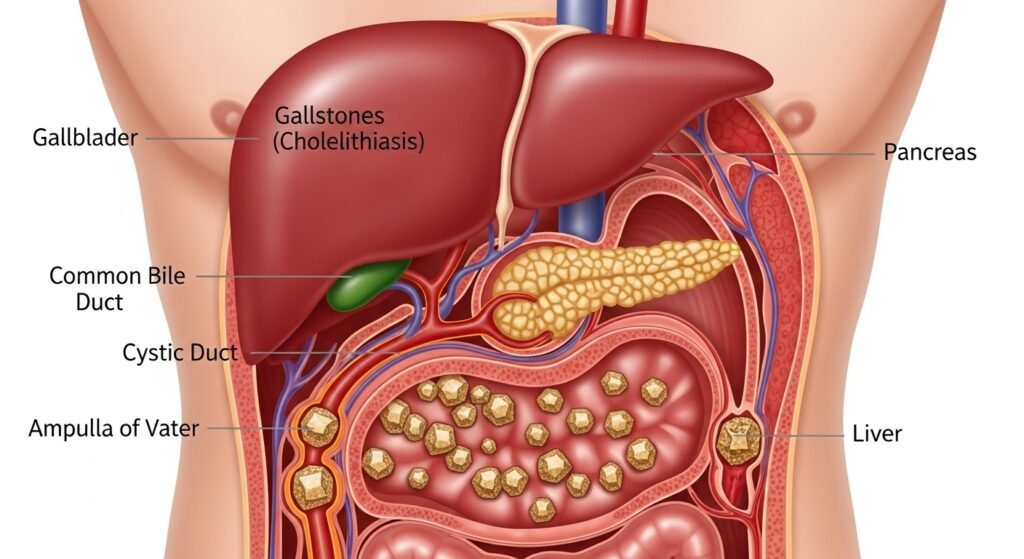
Yes, absolutely! Many people worry about life after gallbladder removal. But here’s the truth—your body adapts really well. Without a gallbladder, bile flows directly from the liver into the small intestine. You can still digest food just fine. Some people notice minor changes after surgery, like:
- Looser stools for the first few weeks
- Mild bloating after fatty meals
- Slight changes in digestion patterns
These usually improve over time. Eating smaller meals, avoiding very greasy foods, and slowly adding fiber can help your body adjust. Millions of people live healthy, normal lives without a gallbladder. If your doctor recommends removal due to cholerhiasis, don’t be afraid. The benefits almost always outweigh the risks.
How to Prevent cholerhiasis Naturally
Prevention is always better than treatment. And the great news is that many cases of cholerhiasis can be prevented with simple lifestyle changes:
- Eat a balanced diet – Focus on fruits, vegetables, whole grains, and lean protein. Cut back on fried and processed foods.
- Stay at a healthy weight – Obesity is a major risk factor. But lose weight slowly—crash diets can actually trigger gallstones.
- Exercise regularly – Even 30 minutes of walking a day can make a big difference.
- Stay hydrated – Drinking enough water supports healthy bile production.
- Don’t skip meals – Eating regularly helps your gallbladder empty properly and prevents bile buildup.
- Limit sugar and refined carbs – These contribute to cholesterol buildup and increase gallstone risk.
Small changes today can protect your gallbladder for years to come. Prevention of cholerhiasis starts in your kitchen and your daily habits.
Complications of Untreated cholerhiasis
Ignoring gallstones can lead to serious problems. While many stones are harmless, some can cause dangerous complications if left untreated:
- Acute cholecystitis – Inflammation of the gallbladder caused by a blocked duct. It causes severe pain, fever, and sometimes infection.
- Choledocholithiasis – When a stone moves into the common bile duct. This can block bile flow completely and cause jaundice.
- Pancreatitis – A gallstone can block the pancreatic duct, leading to painful inflammation of the pancreas.
- Gallbladder perforation – In extreme cases, the gallbladder wall can tear, leaking bile into the abdomen.
- Sepsis – A life-threatening infection that can spread through the bloodstream if gallbladder infections go untreated.
These complications are serious but preventable with early detection and treatment. If you’ve been diagnosed with cholerhiasis, follow your doctor’s advice closely and don’t delay care.
cholerhiasis in Children and Young Adults
While gallstones are more common in adults, kids and teens can get them too. cholerhiasis in younger people is often linked to:
- Obesity
- Blood disorders like sickle cell disease
- Family history of gallstones
- Certain medications
Symptoms in children are similar to adults—belly pain, nausea, and vomiting after eating. If your child complains of repeated stomach pain, especially after meals, talk to their pediatrician. Early diagnosis helps avoid complications and keeps kids feeling their best. Awareness of cholerhiasis in young people is growing, and doctors are getting better at catching it early.
FAQs
1. What does cholerhiasis mean?
cholerhiasis is the medical term for gallstones. These are hard deposits that form inside your gallbladder when bile hardens.
2. Can cholerhiasis go away on its own?
Silent gallstones may never cause problems. But stones that cause symptoms usually need treatment. They rarely dissolve on their own.
3. Is cholerhiasis dangerous?
It can be if left untreated. Blocked bile ducts can lead to infection, pancreatitis, or other serious complications.
4. What foods should I avoid with cholerhiasis?
Avoid fried foods, fatty meats, full-fat dairy, and processed snacks. Focus on vegetables, fruits, lean protein, and whole grains instead.
5. How long does gallbladder surgery take?
Laparoscopic cholecystectomy usually takes about 30 to 60 minutes. Most patients go home the same day.
6. Can I prevent gallstones from coming back?
If your gallbladder has been removed, stones can’t form there again. But maintaining a healthy diet and weight helps prevent bile duct stones.
Conclusion
cholerhiasis might sound like a scary word, but now you know exactly what it means and how to handle it. Gallstones are common, treatable, and often preventable. The key is knowing your risk factors, recognizing symptoms early, and making smart lifestyle choices. If you or someone you love is experiencing belly pain, nausea, or digestive issues after eating, don’t wait. Talk to a doctor. Early detection makes treatment easier and recovery faster. Remember—your health is your greatest treasure. Take care of your body, eat well, stay active, and never ignore warning signs. Share this article with someone who might benefit from it. Knowledge truly is the best medicine!