Table of Contents
Flying is usually smooth and exciting, but sometimes, unexpected things happen. That’s exactly what occurred with Delta DL139, a long-haul flight that was supposed to travel from Venice (VCE) to Atlanta (ATL). Instead, it faced a surprising diversion to Amsterdam (AMS). When people board international flights, they expect to arrive at their final destination without major delays or changes. But aviation is a complex system, and sometimes, safety, weather, or operational challenges require quick decisions. If you’re curious about why this flight was rerouted or what it could mean for other passengers and future flights, then you’re in the right place. In this article, we’ll explore what happened to Delta DL139, why diversions occur, how airlines handle them, and what travelers should do when they experience disruptions like this. Let’s take a closer look at Delta DL139 Venice Atlanta diversion Amsterdam and explain everything in simple terms that anyone can understand.
What Is Flight Delta DL139?
Delta DL139 is a scheduled international flight operated by Delta Air Lines. It flies from Venice, Italy (VCE) to Atlanta, Georgia (ATL), a major hub in the United States. The route connects Southern Europe with the southeastern United States, making it a popular flight for vacationers, business travelers, and Americans returning home. This flight usually takes about 10 hours and covers a long path across Europe and the Atlantic Ocean. The aircraft is typically a wide-body jet like the Boeing 767 or Airbus A330, which are built for long-haul travel. On the day of the diversion, this flight did not follow its normal flight plan, leading to a lot of questions from travelers and aviation watchers alike.
What Happened During the Diversion?
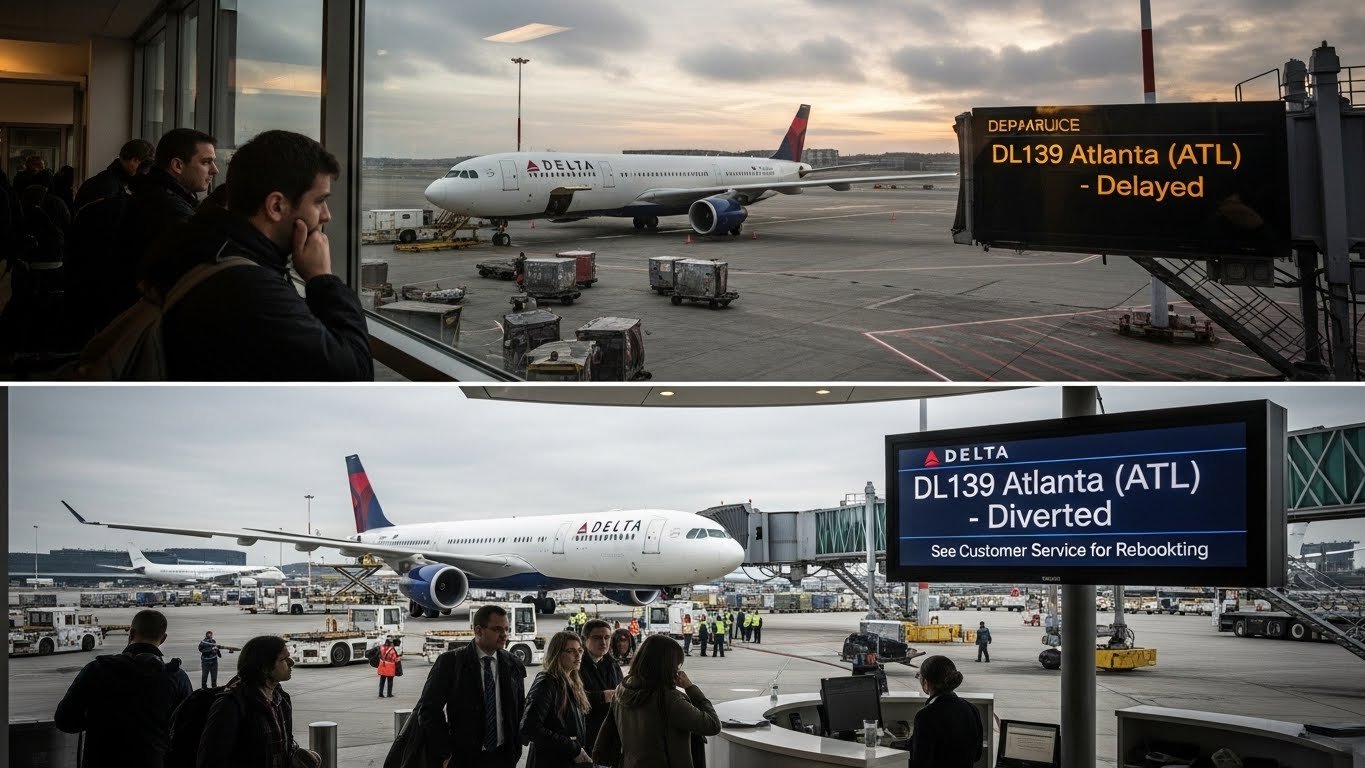
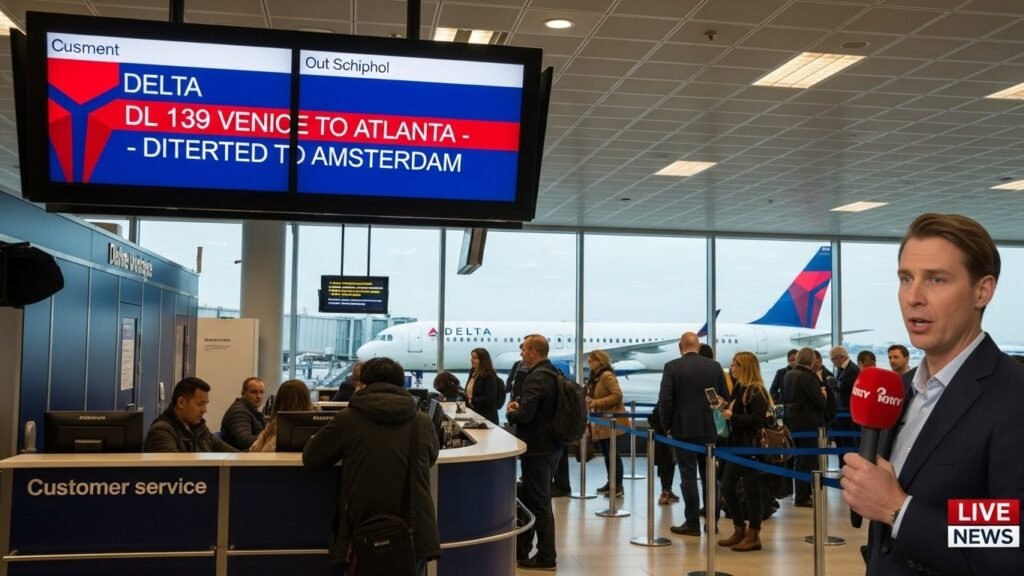
During a recent journey, the Delta DL139 Venice to Atlanta flight was unexpectedly diverted to Amsterdam. Instead of heading west across the Atlantic toward North America, the flight changed course shortly after takeoff and landed in Amsterdam Schiphol Airport (AMS) instead. This isn’t something that happens often, so it raised curiosity and concern. Passengers didn’t expect to arrive in a different country just a short time after departure. The reasons behind diversions like this can vary but often involve mechanical issues, medical emergencies, or weather problems that make continuing the route unsafe or risky. In this case, early reports suggested it was due to an onboard concern that required immediate attention.
Why Do Airlines Divert Flights?
Flight diversions happen for several important reasons. First and most importantly, passenger safety. If there’s a medical emergency, such as someone becoming seriously ill during the flight, pilots may choose to land at the nearest suitable airport. Second, technical problems with the aircraft may require landing before reaching the scheduled destination. Other times, bad weather at the arrival airport forces planes to go somewhere nearby that’s safer to land. Air traffic issues, crew time limits, or even security concerns can also cause rerouting. In the case of DL139, any number of these factors could have played a role. Airlines follow strict rules when making decisions like this. It’s always done with passengers’ well-being as the top priority.
Why Amsterdam?
When flight DL139 was diverted, the flight path changed from westbound toward the ocean and instead routed toward Amsterdam Schiphol Airport. Why Amsterdam? Amsterdam is one of Europe’s busiest and most efficient airports. It’s also a hub for SkyTeam, the airline alliance that includes Delta Air Lines and KLM. This partnership makes it easier to rebook passengers or offer fast service on connecting flights. Amsterdam also has excellent ground support and maintenance facilities, making it a smart choice for emergency diversions. While it might have been a surprise landing for passengers expecting to cross the Atlantic, Amsterdam was a convenient and logical choice for a safe landing and support.
How Was It Handled by Delta?
In situations like this, Delta Air Lines moves quickly. When Delta DL139 from Venice to Atlanta landed in Amsterdam, the airline likely activated its emergency response procedures. These include coordinating with airport services, updating passengers, arranging meals or accommodations if needed, and rerouting travelers to their final destinations as quickly as possible. Most passengers probably reboarded another flight later that day or the next, heading back to Atlanta or reconnecting through other U.S. cities. Delta’s network makes it easier to find alternatives. Their team, both on the ground and in the air, is trained to manage these rare situations with care and professionalism.
What Should You Do If Your Flight Is Diverted?
If you ever find yourself on a diverted flight like Delta DL139, don’t panic. Stay calm and follow the crew’s instructions. After landing, listen for announcements and check your email or the airline’s app for updates. Often, airlines will automatically put you on the next available flight. If you have connecting flights, hotels, or plans, contact those providers to let them know about the delay. Save all receipts in case you’re entitled to reimbursement for meals, hotels, or transportation. In many cases, travelers are protected under airline rules or even EU regulations when flights are disrupted within or from Europe. Airlines like Delta aim to make it right—but the more informed you are, the better prepared you’ll be.
How Are Passengers Protected During Diversions?
Passengers on international flights like DL139 Venice to Atlanta are protected under multiple laws and airline rules. In Europe, EU Regulation 261/2004 gives rights to travelers flying from an EU airport. It includes compensation for delays, rebooking options, and care like food or overnight hotels. If the diversion caused long delays or cancellations, travelers may be eligible for financial compensation unless the cause was something beyond the airline’s control, like sudden bad weather. Additionally, Delta’s customer agreement includes language about how passengers are cared for during flight changes. Many credit card companies also offer travel protection, so it’s smart to check your card’s benefits before traveling.
How Common Are Diversions Like This?
While they seem dramatic, flight diversions like the one involving Delta DL139 are not very common. The majority of flights take off and land without issues. But with thousands of flights every day, even a small percentage of diversions means they do happen from time to time. Medical situations and weather issues are the most typical causes. Most diversions are short, with flights continuing soon afterward or passengers quickly rebooked. Aircraft today are very reliable, and pilots are trained to handle emergencies calmly and professionally. So if your flight ever gets changed like DL139, know that you’re still in good hands.
How Can Travelers Stay Updated During Delays?
One of the best things you can do while flying is track your flight status. If you were on Delta DL139 or ever find yourself on a similar journey, having the Delta app on your phone can provide real-time updates. You can also follow the flight on websites like FlightAware or Flightradar24. These tools show you the plane’s path, delay status, gate info, and even weather at your destination. You can also sign up for flight alerts via text or email. Staying informed helps reduce stress and makes it easier to plan for any sudden changes like a diversion to another city.
Personal Insight: Passenger Experience Matters Most
Many travelers who’ve been through a diversion talk about how helpful and kind flight crews can be. For those on DL139, the crew likely worked hard to explain what was happening and make sure everyone felt safe. I’ve been on a flight that was rerouted due to a passenger illness. The pilots and crew kept calm, answered questions, and helped people quickly—just like Delta would have done in Amsterdam. That human touch means everything during a stressful moment. Even though travelers may face delays, knowing you’re cared for makes the experience much easier to handle.
Lessons Learned from DL139’s Unexpected Journey
This flight story reminds us all that even well-planned trips can change. The journey of Delta DL139 from Venice to Atlanta via Amsterdam reminds travelers to always expect the unexpected. It’s smart to pack light carry-ons with essentials like chargers, snacks, and medications. It’s also helpful to keep your documents and travel confirmations easy to access. Choosing airlines with strong customer service reputations, like Delta, can also make handling diversions easier. When you’re informed, flexible, and calm, you’ll handle bumps in your travel plans like a pro.
FAQs
Q1: Why was Delta DL139 from Venice to Atlanta diverted to Amsterdam?
The exact reason hasn’t been officially confirmed, but diversions usually involve medical or mechanical concerns that require immediate landings.
Q2: What should I do if my long-haul flight gets diverted?
Stay calm, follow instructions, and use your airline’s app for updates. airports often provide support during diversions.
Q3: Will Delta cover costs if I’m delayed due to a diversion?
Possibly. Airlines like Delta offer meals, hotel stays, or rebooking assistance. EU flights may have compensation rights.
Q4: How do I know if my flight might be diverted?
You usually won’t know in advance. But checking weather, flight tracking apps, or news may give clues about delays.
Q5: Was the Delta DL139 diversion dangerous?
No, it wasn’t dangerous. Diversions are common safety procedures, and the crew is trained to handle them smoothly.
Q6: Does Delta frequently divert flights?
No, diversions are rare. Flights like Delta DL139 usually operate as planned. But safety always comes first when needed.
Final Thoughts
Traveling internationally is exciting, but flights like Delta DL139 Venice to Atlanta, which were diverted to Amsterdam, show that things don’t always go as expected. Still, airlines like Delta train hard and plan ahead to keep everyone safe and supported. If your flight ever changes course, you can feel confident things are being handled behind the scenes. For travelers, the best preparation is staying flexible, informed, and calm. Use travel tools, listen to the crew, and keep a positive mindset. And always remember: sometimes, the journey is just as memorable as the destination—even if there’s a stop in Amsterdam on the way to Atlanta.