
Table of Contents
Moving is a big part of military life. Every year, thousands of military families pack up their homes and move to new places. These moves are called Permanent Change of Station, or PCS moves. Recently, there has been a lot of talk about the Pentagon military PCS moves reduction. This means the Department of Defense is planning to cut down on how often military families have to move. But what does this really mean for service members and their loved ones? In this article, we’ll explore the reasons behind this change, what it could mean for families, and how everyone can prepare for the future. We’ll use simple words and real-life examples to make everything easy to understand.
What Are Pentagon Military PCS Moves?
PCS stands for Permanent Change of Station. This is when a service member is ordered to move from one duty station to another. It could be across the country or even overseas. The Pentagon is the headquarters of the U.S. Department of Defense. When we talk about Pentagon military PCS moves, we mean the moves that are planned and managed by the military. These moves are a normal part of military life. They help the military put the right people in the right places. But they can also be hard on families, especially kids who have to change schools and make new friends.
Why Is the Pentagon Reducing PCS Moves?
The Pentagon military PCS moves reduction is happening for several reasons. First, moving costs a lot of money. Every time a family moves, the military pays for things like moving trucks, travel, and sometimes even new housing. By reducing the number of moves, the Pentagon can save money. Second, moving a lot can be stressful for families. Kids have to leave their friends and start over in new schools. Spouses may have to find new jobs. By cutting down on moves, the Pentagon hopes to make life a little easier for military families. Finally, keeping people in one place longer can help build stronger teams and communities on base.
How Will This Change Affect Military Families?
The Pentagon military PCS moves reduction will have a big impact on families. For some, it will be a relief. They won’t have to pack up and move as often. Kids can stay in the same school for longer. Spouses can keep their jobs and build careers. Families can make deeper friendships and feel more at home. But for others, it might be disappointing. Some people like the adventure of moving to new places. They enjoy seeing different parts of the country or world. The key is that every family is different, and this change will affect everyone in its own way.
What Are the Benefits of Fewer PCS Moves?
There are many good things about the Pentagon military PCS moves reduction. First, families can have more stability. Kids can stay in the same school and make lasting friendships. Spouses can keep their jobs and not have to start over every few years. Service members can get to know their coworkers better and work together as a team. Staying in one place can also help families feel more connected to their community. They can join local clubs, sports teams, and activities. This can make military life feel less stressful and more like home.
What Challenges Might Come With Fewer Moves?
While there are many benefits, the Pentagon military PCS moves reduction also brings some challenges. Some service members may worry about getting stuck in one place for too long. They might miss out on chances to learn new skills or get promoted. Some families enjoy the excitement of moving and exploring new places. If moves are reduced, they might feel bored or restless. Also, some bases may become crowded if fewer people are moving out. It’s important for the military to find a balance that works for everyone.
How Can Families Prepare for This Change?
If you are part of a military family, it’s a good idea to start planning for the Pentagon military PCS moves reduction. Talk with your family about what this change might mean for you. If you like staying in one place, think about ways to get more involved in your community. If you enjoy moving, look for other ways to find adventure, like traveling during vacations. Stay in touch with friends from past duty stations. And remember, the military will still need some people to move, so be ready for anything.
What Does This Mean for Military Kids?
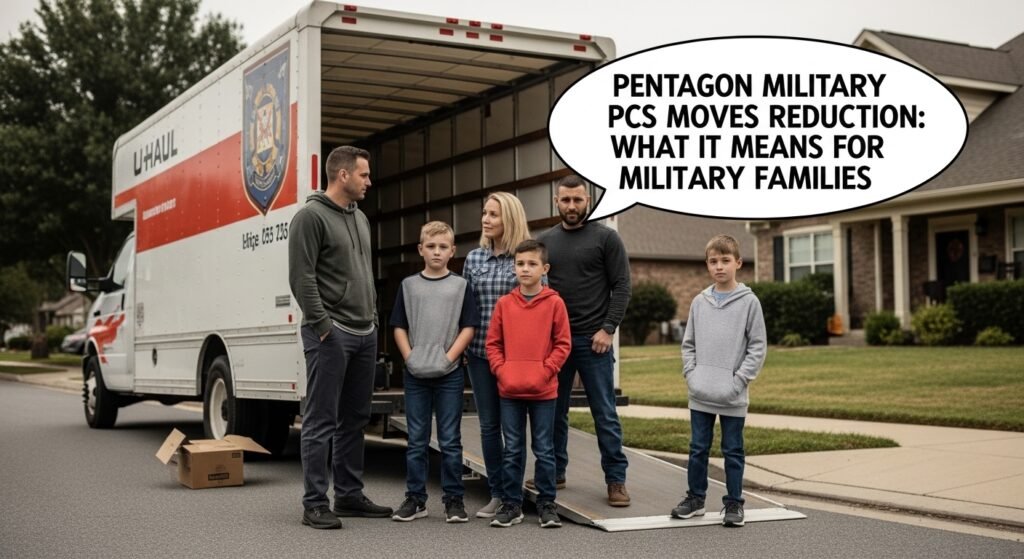
Military kids are some of the bravest kids around. They often have to say goodbye to friends and start over in new schools. The Pentagon military PCS moves reduction could make life easier for them. They can stay in the same school for longer and build strong friendships. They can join sports teams, clubs, and other activities without worrying about leaving soon. This can help them feel more confident and happy. But some kids might miss the excitement of moving to new places. It’s important for parents to talk with their kids and help them adjust to these changes.
How Will This Affect Military Spouses?
Military spouses often have to find new jobs every time the family moves. This can make it hard to build a career. With the Pentagon military PCS moves reduction, spouses may be able to keep their jobs for longer. They can build stronger resumes and make more connections in their field. This can help them feel more secure and happy. Spouses can also get more involved in their community, make friends, and support each other. But for those who enjoy moving and exploring new places, it might take some time to adjust.
What About Service Members’ Careers?
Some service members worry that staying in one place too long could hurt their careers. In the past, moving to new duty stations was a way to learn new skills and get promoted. The Pentagon military PCS moves reduction means the military will need to find new ways to help people grow in their careers. This could include more training, special projects, or leadership roles at the same base. Service members should talk with their supervisors about their career goals and look for ways to keep learning and growing.
How Will This Impact Military Communities?
Military communities are like big families. People help each other, share advice, and support one another. The Pentagon military PCS moves reduction could make these communities even stronger. When families stay in one place longer, they can build deeper friendships. They can get more involved in local events and activities. This can make life on base feel more like home. But it’s also important to welcome new families who do move in and help them feel included.
What Are Some Real-Life Examples?
Let’s look at a real-life example. The Smith family has moved five times in the last ten years. Each time, their kids had to start over in a new school. Mrs. Smith had to find a new job every time. With the Pentagon military PCS moves reduction, the Smiths might be able to stay in one place for several years. Their kids can make lasting friendships, and Mrs. Smith can build her career. This can make life less stressful and more enjoyable for the whole family.
How Can the Military Support Families During This Change?
The Pentagon knows that change can be hard. That’s why they are working to support families during the Pentagon military PCS moves reduction. They are offering more resources for families, like counseling, job help for spouses, and activities for kids. They are also listening to feedback from families to make sure the changes are working. If you have ideas or concerns, don’t be afraid to speak up. The military wants to make this transition as smooth as possible for everyone.
What Should You Do If You Still Have to Move?
Even with the Pentagon military PCS moves reduction, some families will still need to move. If you get new orders, start planning early. Make a checklist of things to do, like finding a new home, enrolling kids in school, and packing your things. Reach out to other families who have moved before for advice. Remember, you are not alone. There are many resources to help you, like the Military Family Readiness Center and online support groups.
How Can You Stay Connected With Friends and Family?
One of the hardest parts of moving is saying goodbye to friends. With fewer moves, you can keep your local friendships longer. But if you do move, there are many ways to stay in touch. Use video calls, social media, and letters to keep your friendships strong. Plan visits when you can. Staying connected can help you feel less lonely and more supported, no matter where you are.
What Are Some Tips for Adjusting to This New Normal?
Change can be hard, but it can also be a chance to grow. Here are some tips for adjusting to the Pentagon military PCS moves reduction: Stay positive and look for the good in your situation. Get involved in your community and make new friends. Talk with your family about how you’re feeling. Ask for help if you need it. Remember, you are part of a strong and caring military family.
FAQs
1. What is the Pentagon military PCS moves reduction?
The Pentagon military PCS moves reduction is a plan to cut down on how often military families have to move to new duty stations. This helps save money and makes life easier for families.
2. Will all military families stop moving?
No, some families will still need to move. The goal is to reduce the number of moves, not stop them completely.
3. How will this affect my child’s education?
With fewer moves, kids can stay in the same school longer. This can help them do better in school and make lasting friendships.
4. Will this hurt my career as a service member?
The military is working on new ways to help service members grow in their careers, even if they stay at the same base longer.
5. What resources are available to help families adjust?
There are many resources, like counseling, job help for spouses, and activities for kids. The Military Family Readiness Center is a great place to start.
6. What should I do if I still have to move?
Start planning early, make a checklist, and reach out for support. There are many people and resources ready to help you.
Conclusion
The Pentagon military PCS moves reduction is a big change for military families. It brings many benefits, like more stability and less stress. But it also comes with challenges, like adjusting to a new way of life. Remember, you are not alone. The military community is strong and supportive. Talk with your family, reach out for help, and stay positive. By working together, we can make this change a good one for everyone.